Published: May 4, 2025
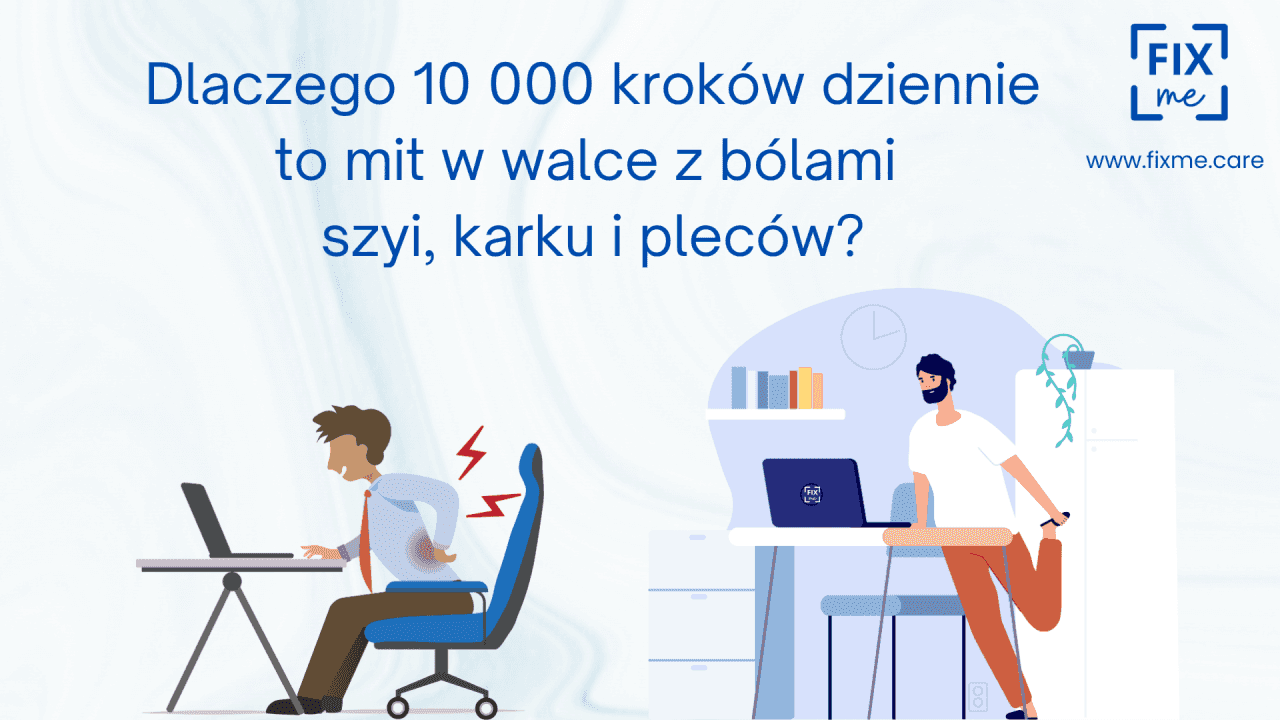
Why 10,000 steps a day is a myth in the fight against neck, nape, and back pain?
FIXme · 4 min read
Conscious employer, healthy employee
The modern working style relies on technology, an inherent part of which is long hours spent at desks and computers. Working in such an environment causes employees to often forget about the necessity of taking care of their posture and health. Therefore, as an employer, you have a real impact on how the professional life and health of your employees are shaped. A good chair or a comfortable desk is only the first step towards improving work comfort. Your role in caring for employee health does not end with purchasing equipment, but also includes implementing strategies that support their daily physical activity. Active work breaks are an element that supports health prevention and improves productivity, and in the long run can reduce costs associated with absenteeism and health problems.
Ergonomics is the foundation, but it's not everything
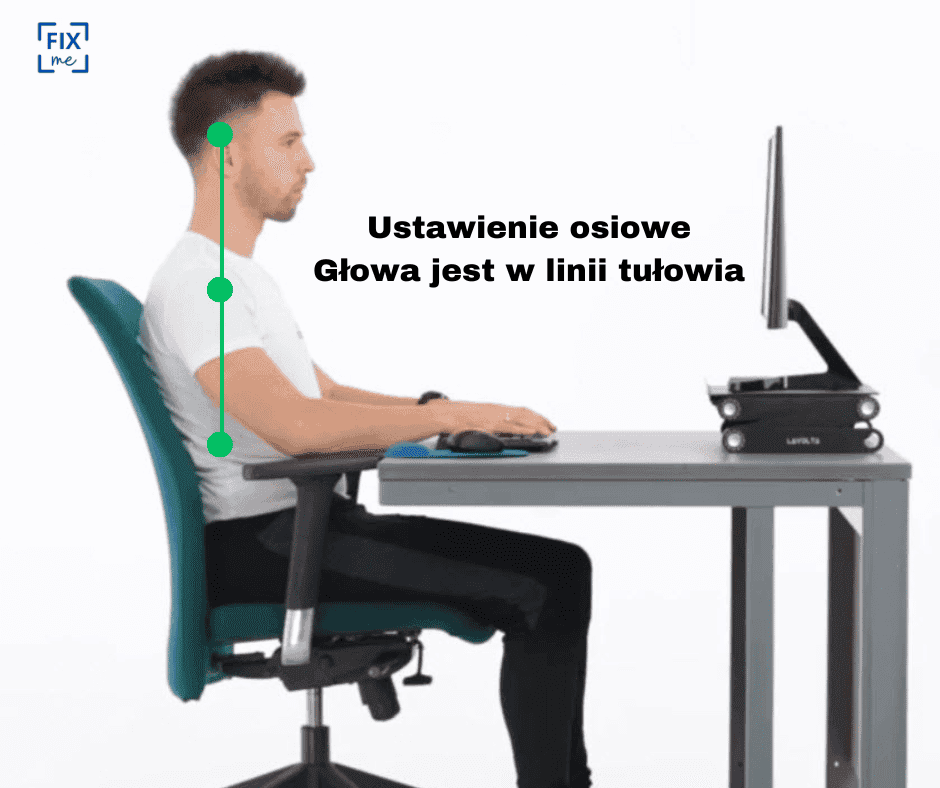
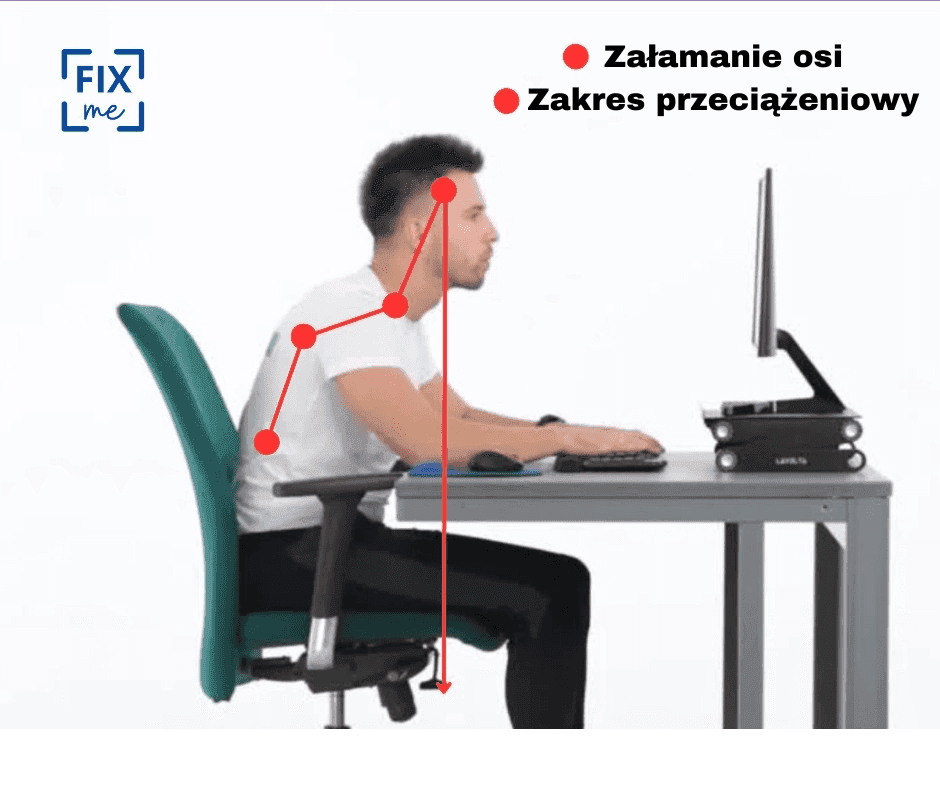
Ergonomics is a key element that affects work comfort. Optimal workstation setup, height-adjustable chairs, wrist rests, as well as the ability to adjust desk height all help to minimize the effects of sedentary work. However, the problem arises when even the best workstation does not change habits associated with prolonged sitting. The human body is not adapted to sitting for several hours without a break. That is why regular activities that engage muscle groups other than those used while sitting are so important. Therefore, ergonomics is an important, but only one part of the workplace health puzzle.
Why counting steps does not solve the problem?
Encouraging employees to be physically active through pedometers and setting goals of 10,000 steps a day is an initiative that undoubtedly promotes physical activity. However, the mere fact of taking 10,000 steps during the day does not solve the problem when it comes to office work-related health. Most people who get their daily steps after work do not solve the problems associated with overloading the neck, back, or wrist muscles caused by prolonged sitting. Furthermore, after a whole day of working in a sitting position, the body becomes stiff, and muscle tension can worsen even if physical activities performed after work do not fully relax the upper body muscles. Therefore, counting steps is only one element that can support overall activity, but it does not solve health problems related to office work.
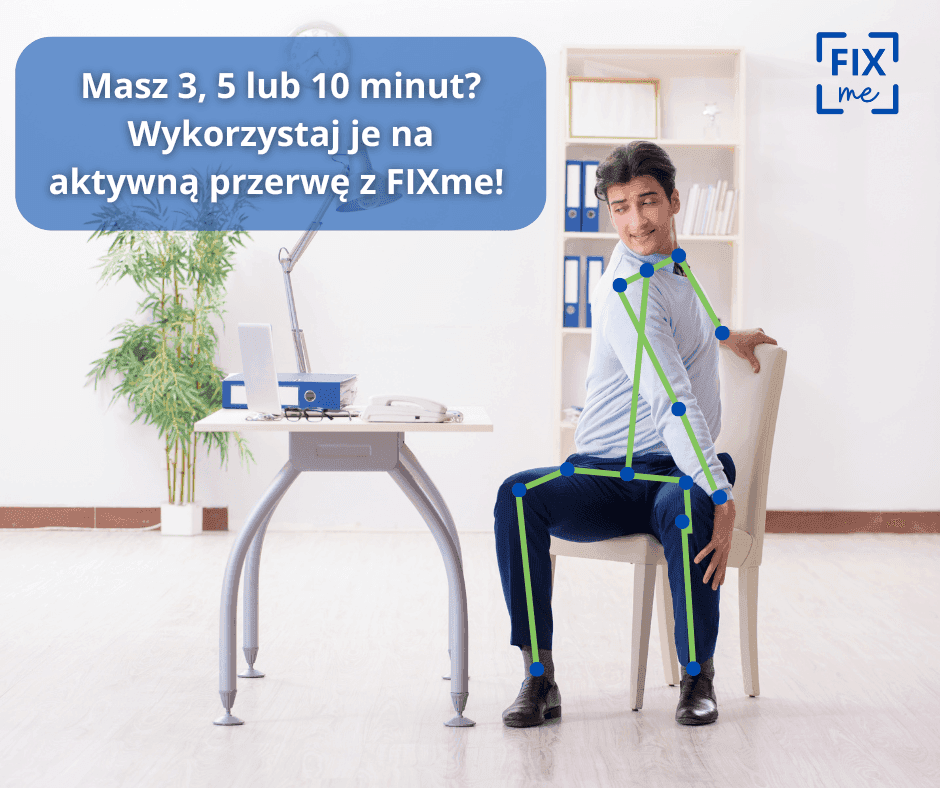
FIXme – monitors movement in real time, which is not the same as watching a recording. Here, the employee is the center of attention!
FIXme is a tool that combines awareness of the need for physical activity with specific exercises designed with the specific needs of office workers in mind. Instead of waiting for the moment when muscle tension and pain become intense enough to affect work performance, FIXme offers short, regular breaks for exercises targeted at specific areas of the body:
- Neck and shoulders – the most common areas of tension in office work, requiring gentle yet effective stretching exercises.
- Upper spine – mobilizing the cervical and thoracic segments improves body posture and reduces back pain.
- Wrists – relaxation and improved circulation in the wrists, which are particularly exposed to overload when working at a computer.
- Lower back – exercises that strengthen the back and mobilize the spine help reduce back pain resulting from prolonged sitting. Regular breaks (3-5-10 minutes) with appropriate exercises improve physical fitness and reduce the risk of health problems before they become chronic.
Benefits for the employer and company
Implementing active work breaks is an investment that translates into numerous benefits for both employees and the organization itself:
- Fewer sick leaves – back, neck, and wrist problems are among the most common causes of workplace absenteeism. Regular activities help reduce these ailments.
- Higher efficiency – employees who exercise regularly feel better, which affects their concentration and overall productivity. Improving physical health translates into improved work efficiency.
- Greater engagement – taking care of employee health builds a positive atmosphere in the company, increases employee motivation and loyalty. Health-promoting initiatives make employees feel valued and noticed.
How to implement active breaks in a company?
FIXme was designed for easy integration with the daily work routine. The ability to synchronize with Google or Outlook calendar provides automatic break reminders, allowing them to be seamlessly woven into working days. Customization of exercises ensures they are tailored to the individual needs of employees and the specifics of work in a given company. Additionally, a motivational system based on gamification elements encourages consistency and engages employees in an enjoyable and motivating way.
Take comprehensive care of your employees
Physical activity in the form of steps alone is not enough to ensure health and comfort for employees. Regular movement breaks are an integral part of caring for their health and productivity. By investing in active breaks, employers not only care for the well-being of their employees, but also for the future of their organization. Physical activity becomes the key to success – both health and business-wise. Want to learn more about how FIXme can help your team? Contact us, and we will show you how easy it is to implement active breaks in your company.