Published: Sep 17, 2026
How to regain energy at work without coffee: five levers at your fingertips
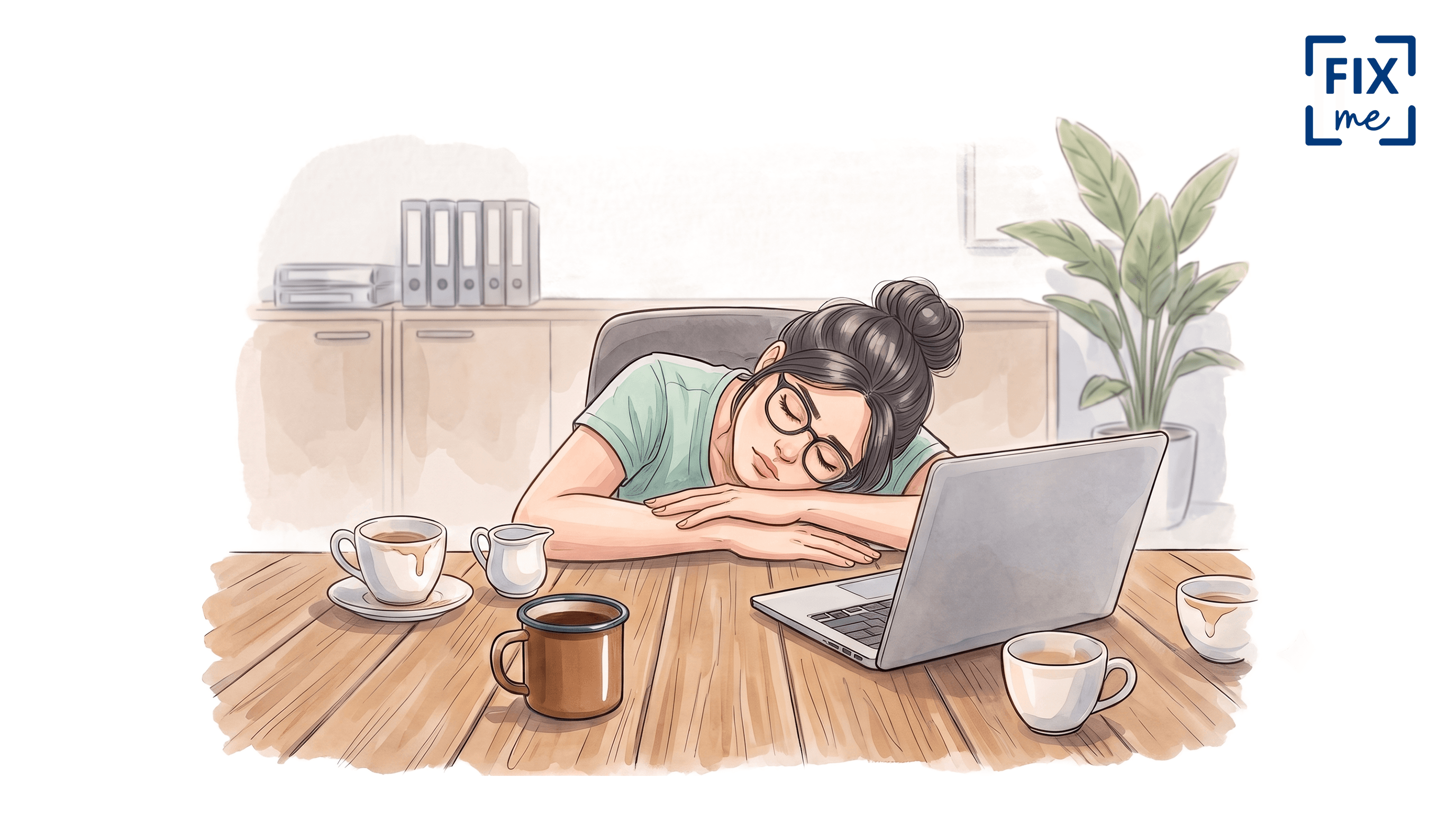
As an expert, I spend more time in offices than I care to admit. Everywhere I look, I see the same movement at 2:00 PM: a hand reaches toward the coffee machine. Meanwhile, having energy at work without coffee is entirely achievable, yet hardly anyone considers it because caffeine is readily available and works instantly. This article is a practical menu. Five natural levers you can pull this afternoon, each backed by research, not internet promises.

Tomasz Świderski · 5 min read
First: understand where the afternoon energy slump comes from
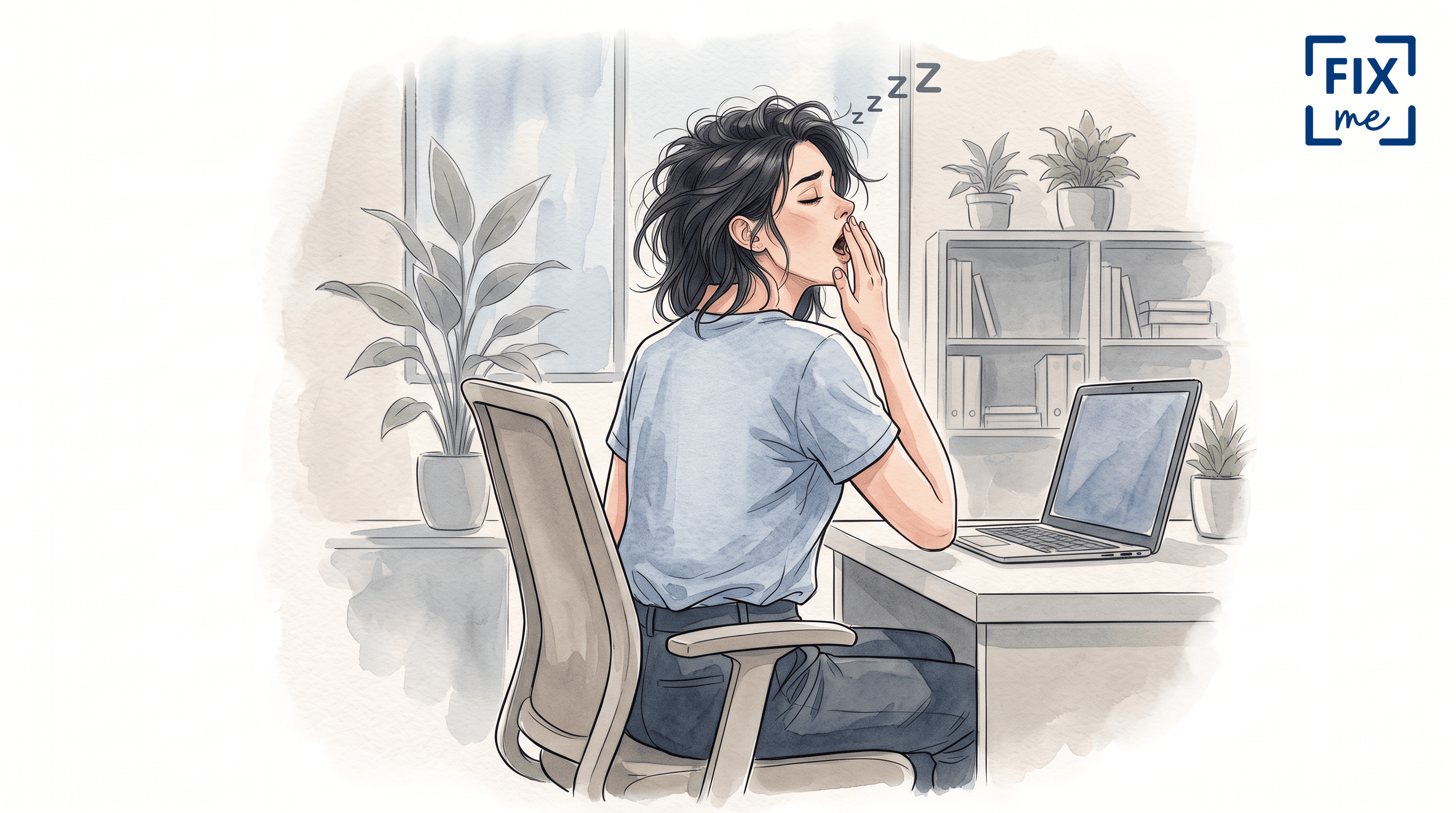
An afternoon drop in energy is not a sign of weak character or a poor night's sleep, although the latter doesn't help. It is a phenomenon built into our circadian rhythm. A 2021 study by Lin and colleagues describes the "post-lunch dip"—a decline in alertness and an increase in sleepiness that hits between 2:00 PM and 4:00 PM. Interestingly, the authors point out that this dip occurs even when lunch was light. Lunch amplifies it, but it isn't its only cause.
This changes the perspective. You aren't fighting your own discipline, but biology. And biology is easier to outsmart with tools than with willpower. Here are five of them.
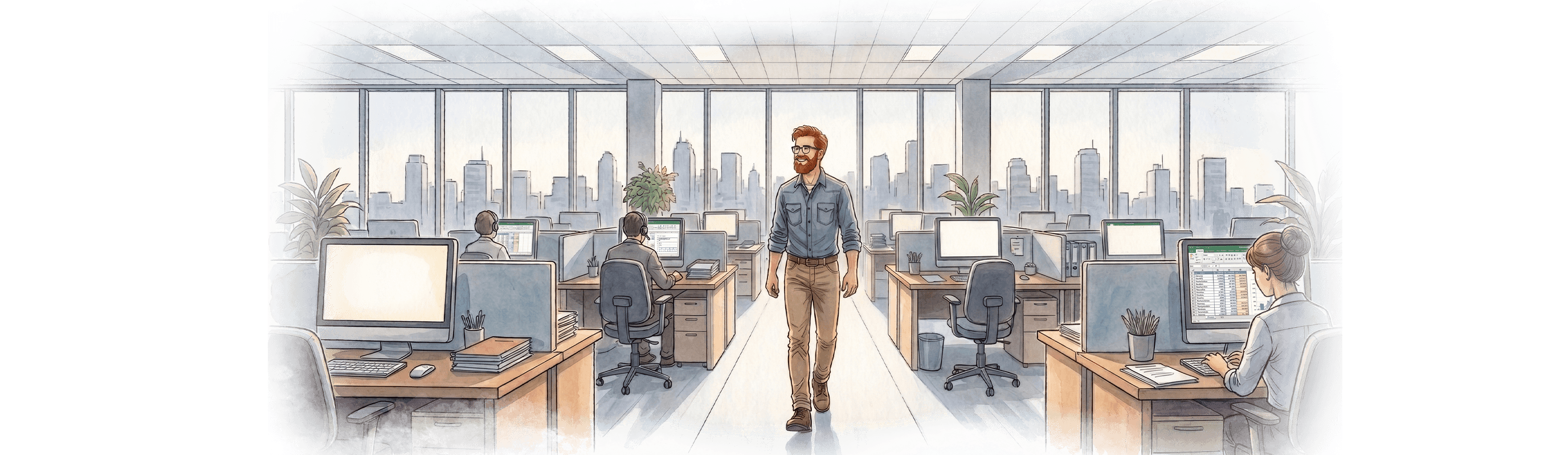
Lever 1: movement, or the shortest path to energy
I'll start with the one I know best and immediately let the research speak for itself. A 2022 meta-analysis by Wender, Manninen, and O'Connor covered 81 studies and over 7,000 people.
And you don't need to change clothes or break a sweat. A 2022 meta-analysis by Albulescu and colleagues in *PLOS ONE*, involving over 2,300 people, showed that micro-breaks of up to ten minutes significantly boost vigor and reduce fatigue. A few minutes of movement every hour makes a difference. This is a topic for a separate, longer piece, so I expand on it in the pillar "Movement instead of coffee". Here, I'll leave you with one thing: a few steps beat simply standing up from your desk, as confirmed by Buffey's 2022 meta-analysis in *Sports Medicine*.
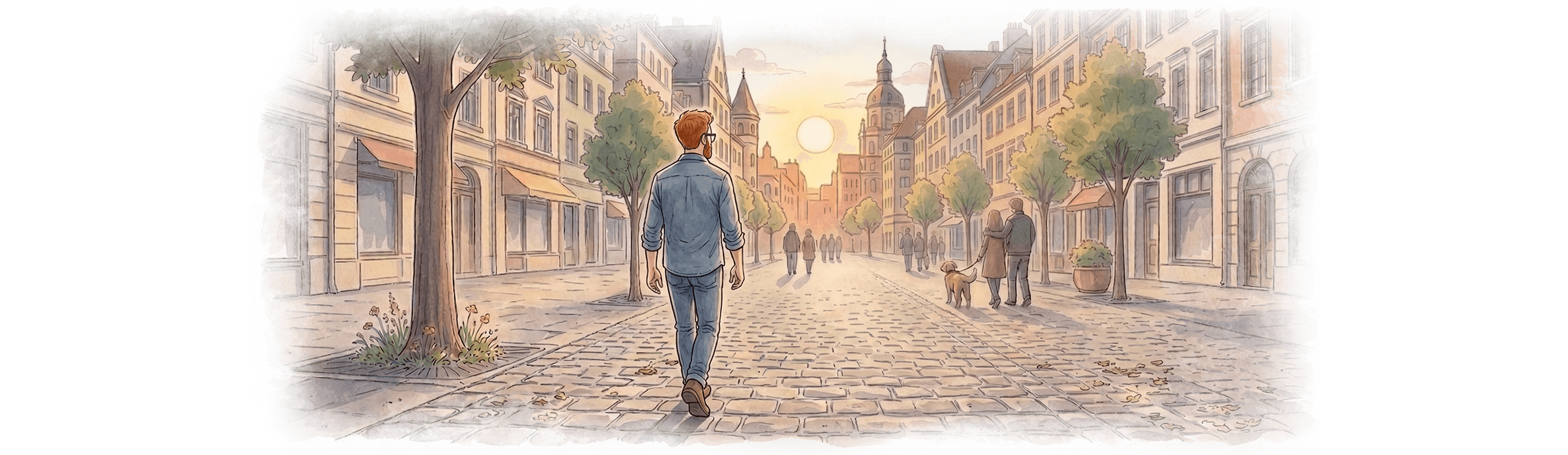
Lever 2: daylight
Most offices ignore this lever, which is a shame. A 2022 systematic review by Tian and colleagues, based on 59 studies, showed that daytime light exposure—both brighter white light and shorter-wavelength light—positively affects alertness indicators. Light isn't just about seeing. It is a cue for your biological clock.
It also works the other way around, for the evening. A 2022 study on students showed that morning exposure to bright light improves sleep efficiency and reduces morning sleepiness the next day. The takeaway for 2:00 PM is simple: instead of staring at a screen with the blinds drawn, step closer to a window or outside the building for five minutes. Your internal clock will notice.
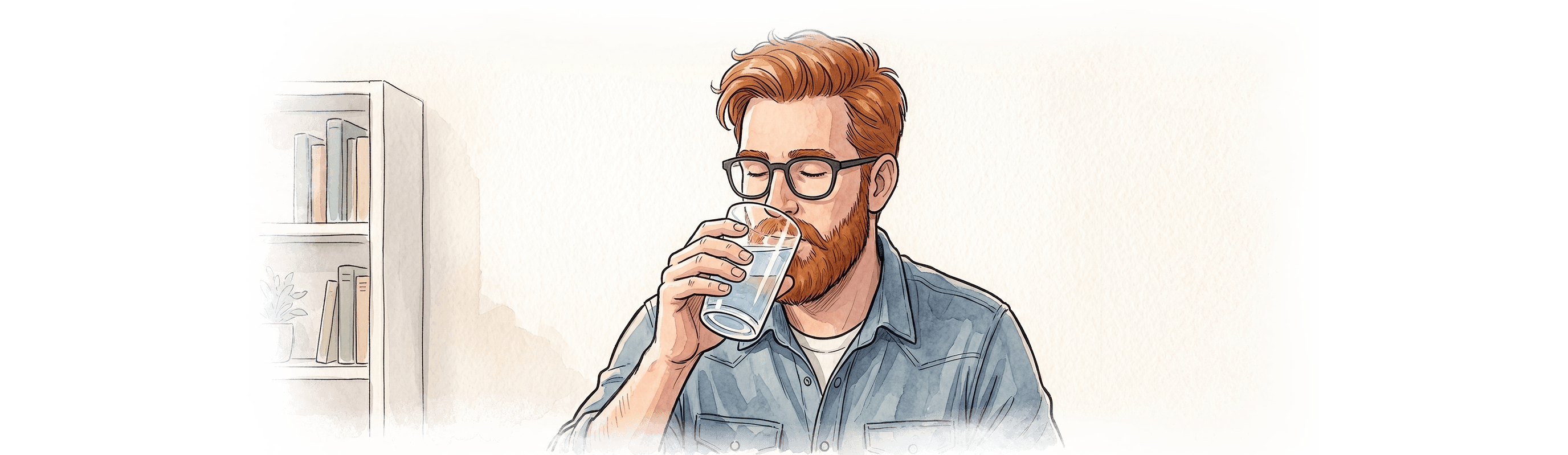
Lever 3: water
It sounds cliché until you look at the numbers. A 2021 randomized trial by Zhang and colleagues examined what happens when people don't drink enough. Dehydration increased fatigue, worsened mood, and reduced vigor. Replenishing fluids reversed these effects.
The most common office mistake? Confusing thirst with fatigue. You reach for a coffee when your body was actually asking for a glass of water. Keep a bottle in sight. It's boring advice, but boredom can be effective.
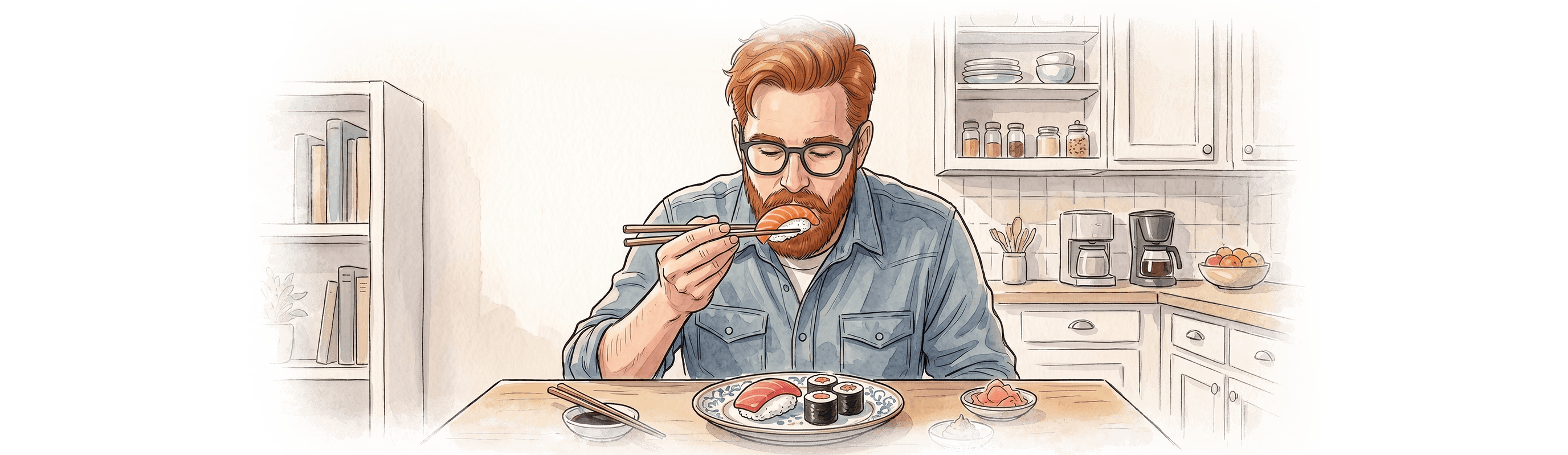
Lever 4: what and when you eat
Since a heavy lunch deepens the afternoon slump, the logic is clear. A rich, heavy meal in the middle of the day is an open invitation to drowsiness. A lighter plate and a portion spaced out so that you don't feel weighed down like a stone afterward make for a calmer afternoon.
This isn't about restrictive diets. It's about a single strategy: don't add to the crash that your circadian rhythm will already bring. If a dip is coming at 2:00 PM anyway, at least don't pair it with a sandwich the size of a brick.
Lever 5: fresh air and a quick change of scenery
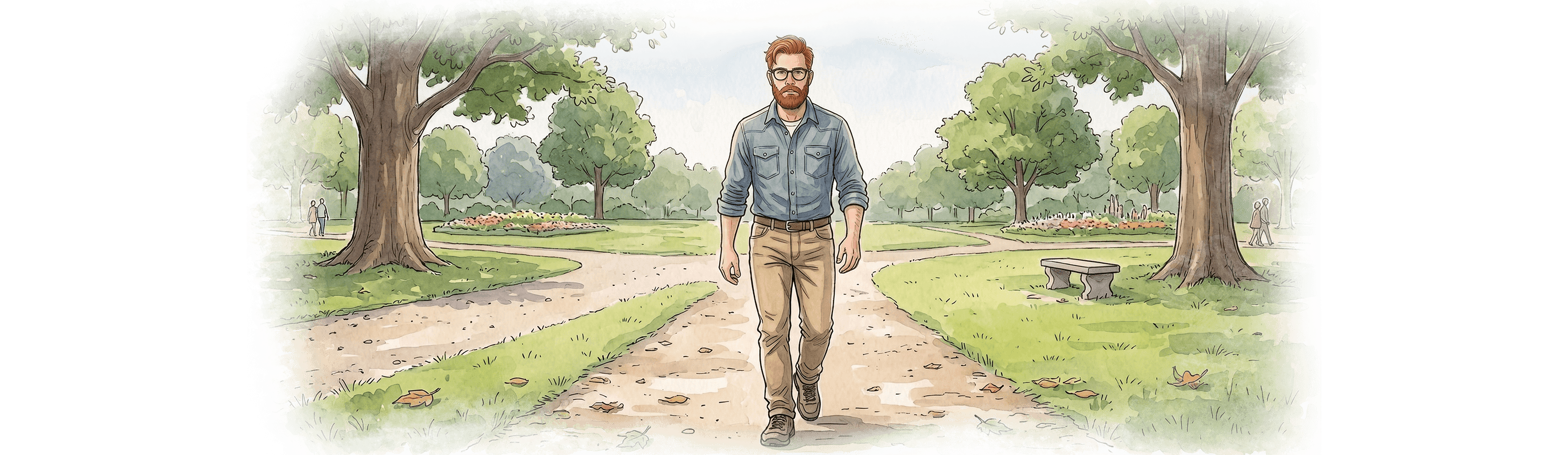
The final lever combines several of the previous ones into a single action. Going outside provides movement, daylight, and a breath of air different from what you've been breathing in the same room since 8:00 AM. This isn't a separate mechanism with its own RCT, but rather a clever way to bundle what you already know into one short break.
A founder's observation to finish with. In teams that introduce regular active breaks, what I hear most often isn't "I have more energy." I hear "my day is steadier." Caffeine creates peaks and valleys. These five levers smooth out the curve, without the evening bill for compromised sleep.
Energy at work without coffee is also a company matter
An afternoon crash across the entire team is no minor detail. It means slower decisions, more mistakes, and a worse mood for several hours each day. Multiply that by the number of people and days in the year. The good news: four out of the five levers are free. You just need to remember them, and a tool can take care of making sure the team remembers.

FAQ
- How can I boost my energy at work without coffee?
Pull one of the natural levers: a few minutes of movement, daylight exposure, a glass of water, a lighter lunch, or a brief trip outside. Each is backed by research and won't end in an evening crash.
- Why do I experience an energy drop specifically in the afternoon?
It's your natural circadian rhythm. A 2021 study describes a dip between 2:00 PM and 4:00 PM that occurs even after a light meal. A heavy lunch and several hours without moving only exacerbate it.
- Does movement really boost energy, or is it just a distraction?
It genuinely boosts it. A 2022 meta-analysis of over 7,000 people showed that physical activity increases energy and vitality while reducing fatigue. It is a different mechanism than the temporary stimulation from coffee.
- Can dehydration mimic fatigue?
Yes. A 2021 randomized trial showed that dehydration increases fatigue and decreases vigor. Before you reach for another mug, drink a glass of water.
Want these levers to happen on their own rather than just in theory? In the FIXme app, a virtual physical therapist reminds you to take an active break and guides you through it step by step. See how it works.