Published: Aug 27, 2026
Returning to Work After Vacation Without a Drop in Form
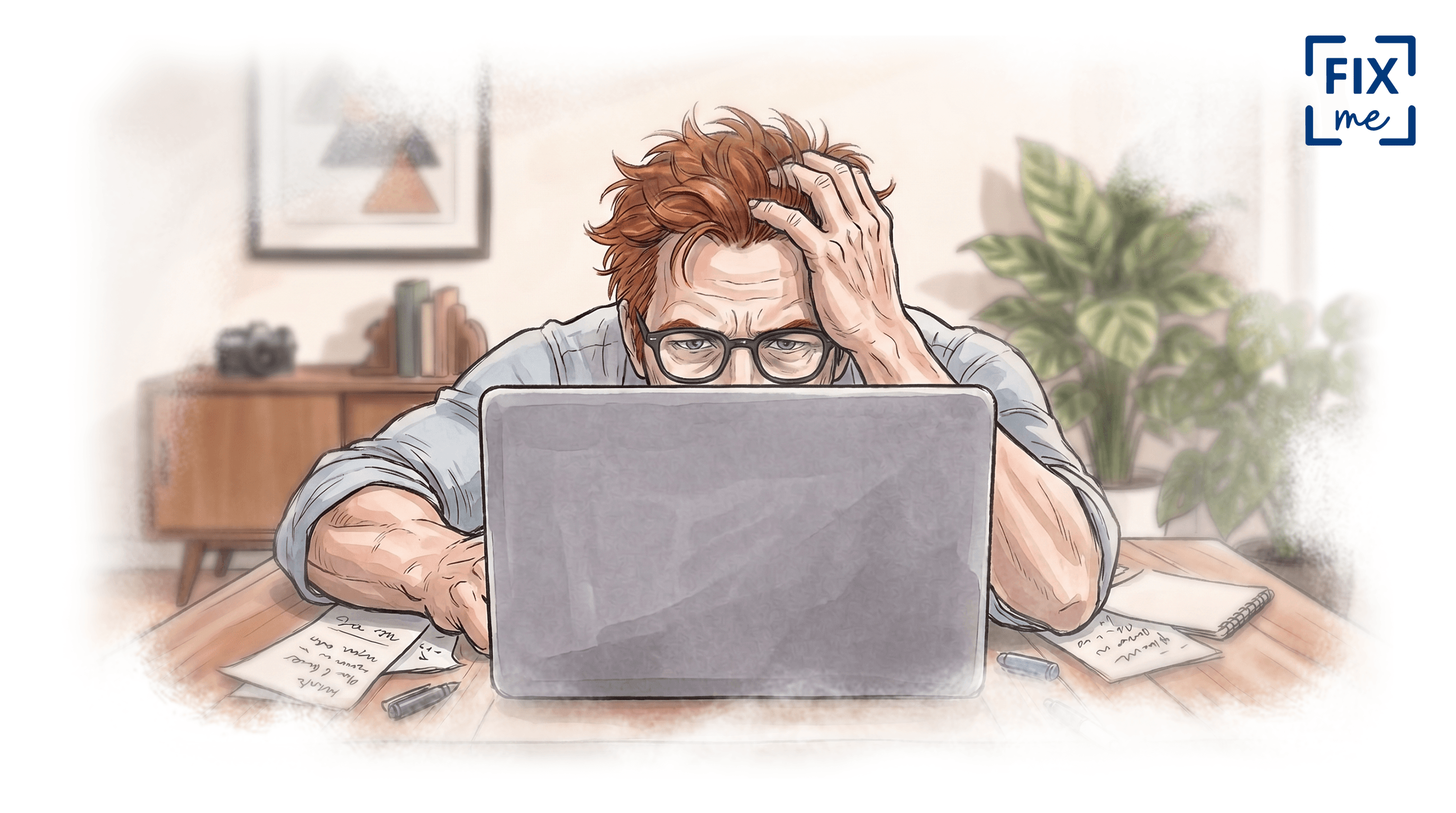
The first day after a vacation usually looks the same. You sit down at your desk with a tan and a good mood, and after three hours your neck reminds you that you haven't sat for this long in a while. Returning to work after a vacation isn't just a pile of emails. It's also the moment when your body, energized by two weeks of walking, swimming, and sleeping in, suddenly returns to eight hours in one position. I explain in plain terms why this happens and how to ease back into it so you don't lose the lightness that vacation gave you.

Małgorzata Świderska · 6 min read
Why the Body Protests at the Desk After Vacation
On vacation, your day looks different than you think. More steps, more changes in posture, fewer hours in an armchair. The body gets used to movement surprisingly quickly. And then Monday comes, and it returns to immobility just as abruptly.
This isn't a whim. In its 2020 guidelines, the World Health Organization explicitly recommends limiting sedentary time and replacing it with physical activity of any intensity, as this provides health benefits. After vacation, you do the exact opposite: overnight, you go back to prolonged sitting. Hence that stiff neck and heaviness in your back after the first day.
I have an observation from post-vacation conversations. People rarely say "my spine hurts." They say "it feels like I forgot how to sit at a computer." And there's something to that. The body hasn't forgotten; it just got out of the habit of being still, and you're throwing it right back into the deep end.

Sleep Rhythm and the First Days: Why the Alarm Clock Hurts More
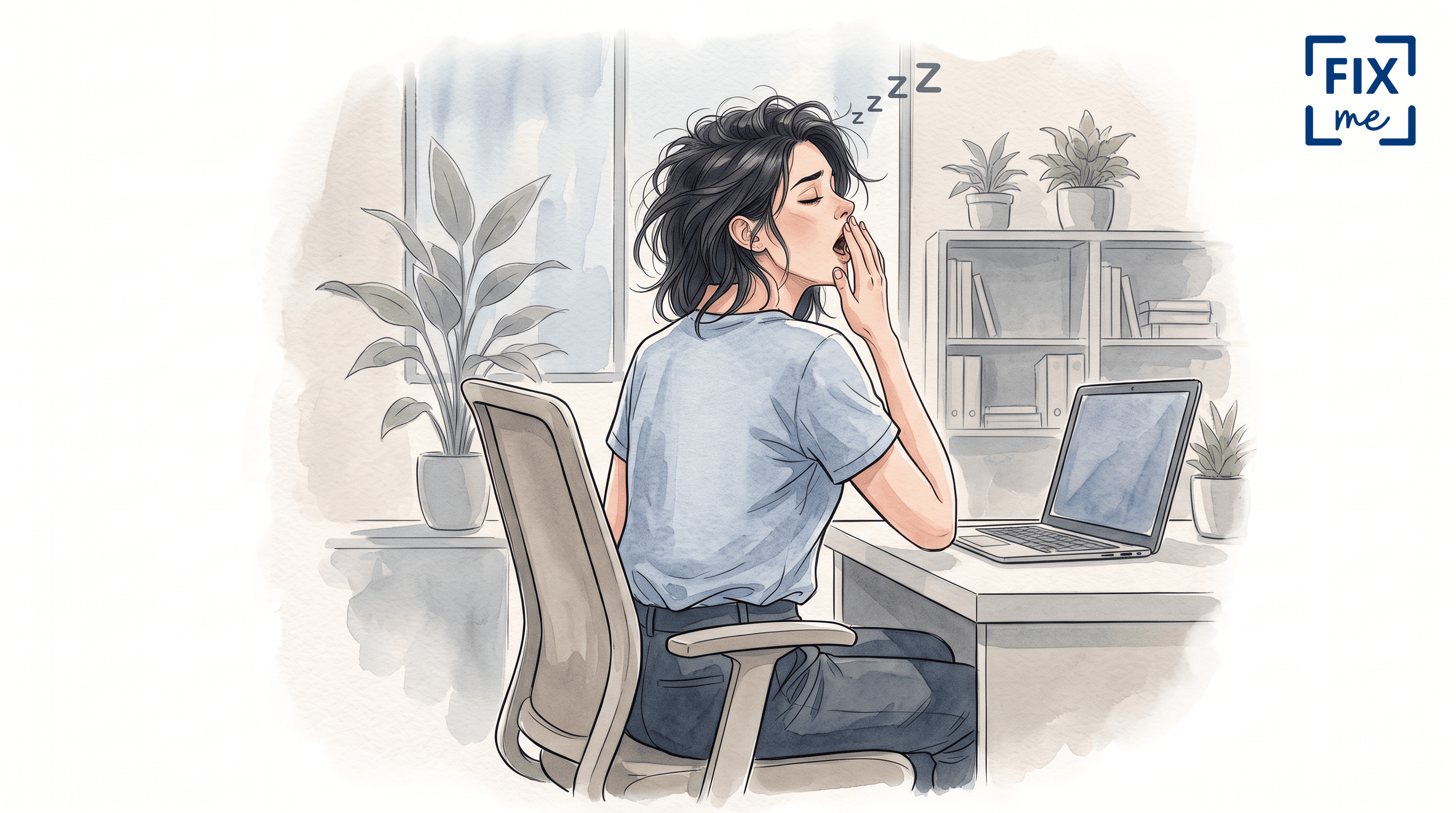
The second quiet culprit is your biological clock. On vacation, you go to bed later, wake up later, and if you crossed multiple time zones, you have a full-blown circadian misalignment. A 2024 review of studies in the journal *Cureus* describes that after crossing three or more time zones, the internal clock cannot immediately adjust to the new time.
You know the effects from firsthand experience. The same review notes that symptoms of circadian misalignment include daytime fatigue, difficulty falling asleep at night, trouble concentrating, and mood swings. In short, the first day after vacation can be tough not because you're lazy, but because your clock is still living on beach time.
The good news: the clock can be reset, and the strongest cue is light. The authors emphasize that exposure to light affects melatonin levels, as light inhibits its secretion. In practice, this means one thing. Go outside in the morning, even if just for a coffee on the balcony or a short walk to work. Morning light helps shift your rhythm back to where it should be on a workday.
How to Pace Your Return Gently
The most common mistake is returning at full throttle from the very first minute. Ten hours in front of the monitor to catch up on the backlog, and in the evening, you wonder why you're exhausted. Meanwhile, WHO guidelines state that the more you sit, the more movement you need to offset its effects. The first day after vacation is not the time to set a sitting record.
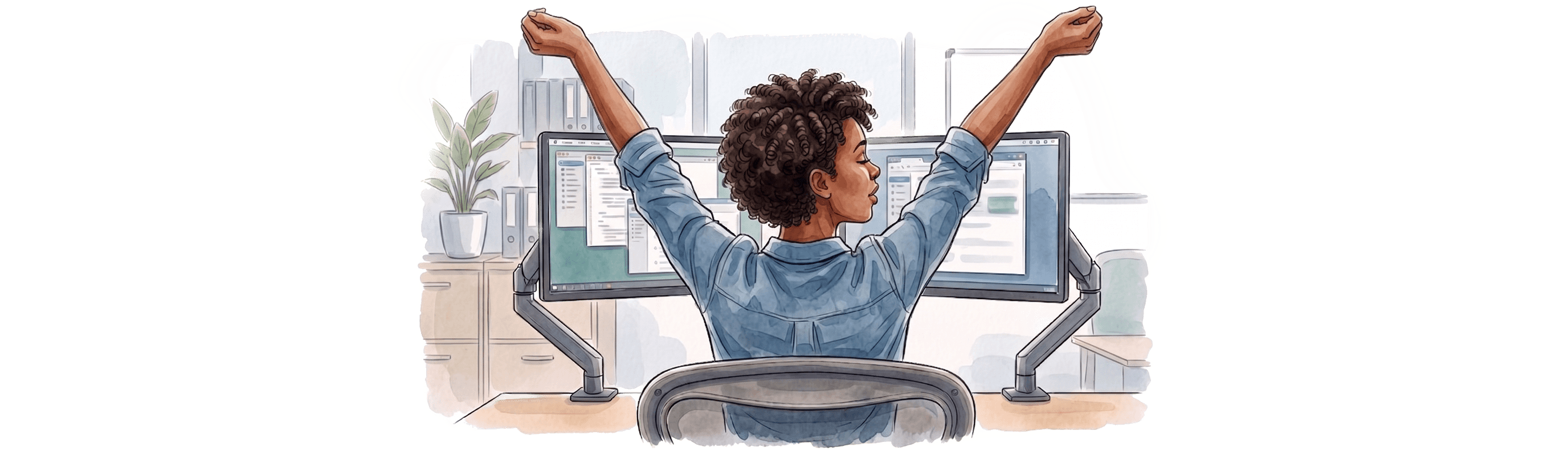
Break your return down into a few simple rules:
- Don't plan a backlog marathon. On the first day, pick two or three of the most important tasks instead of catching up on everything at once. Your inbox will wait; your neck might not.
- Return to your sleep schedule gradually. If you went to bed at 1:00 AM on vacation, don't expect to fall asleep at 10:00 PM. Shift your bedtime by half an hour each day.
- Catch morning light. Spending the first hours of the day in daylight helps your internal clock switch back to work mode faster than coffee.
- Hydrate regularly. After traveling and during hot June days, it's easy to become dehydrated, which contributes to fatigue. Keep a water bottle within sight.
This isn't a checklist to tick off in a single day. It's a roadmap for the first week. A gentle return sounds less impressive than "I handled everything on Monday," but it works better.
Rebuild the Habit of Active Breaks
Here lies the core of "how not to lose your shape after vacation." Vacation gave you movement spread throughout the entire day. The desk takes that movement away. The solution isn't to go for a run once a week, but to weave micromovement back into your working hours.
This works better than it seems. A 2022 meta-analysis by Albulescu and colleagues in *PLOS ONE*, covering 22 study trials and over 2,300 people, showed that short detachments from a task lasting up to ten minutes significantly boost vigor and reduce fatigue (vigor d=0.36, fatigue d=0.35, p<0.001). The very minutes you spent in motion while on vacation can be reclaimed at your desk, piece by piece.
And one more thing, important for anyone who thinks "I'll just stand up every hour and that will be enough." A 2022 meta-analysis by Buffey and colleagues in *Sports Medicine*, covering seven studies, found that light walking breaks during prolonged sitting are better for metabolic health than standing up alone. A few steps beat simple standing. After a vacation, when the body still remembers movement, this habit is easy to rebuild if you start from day one.
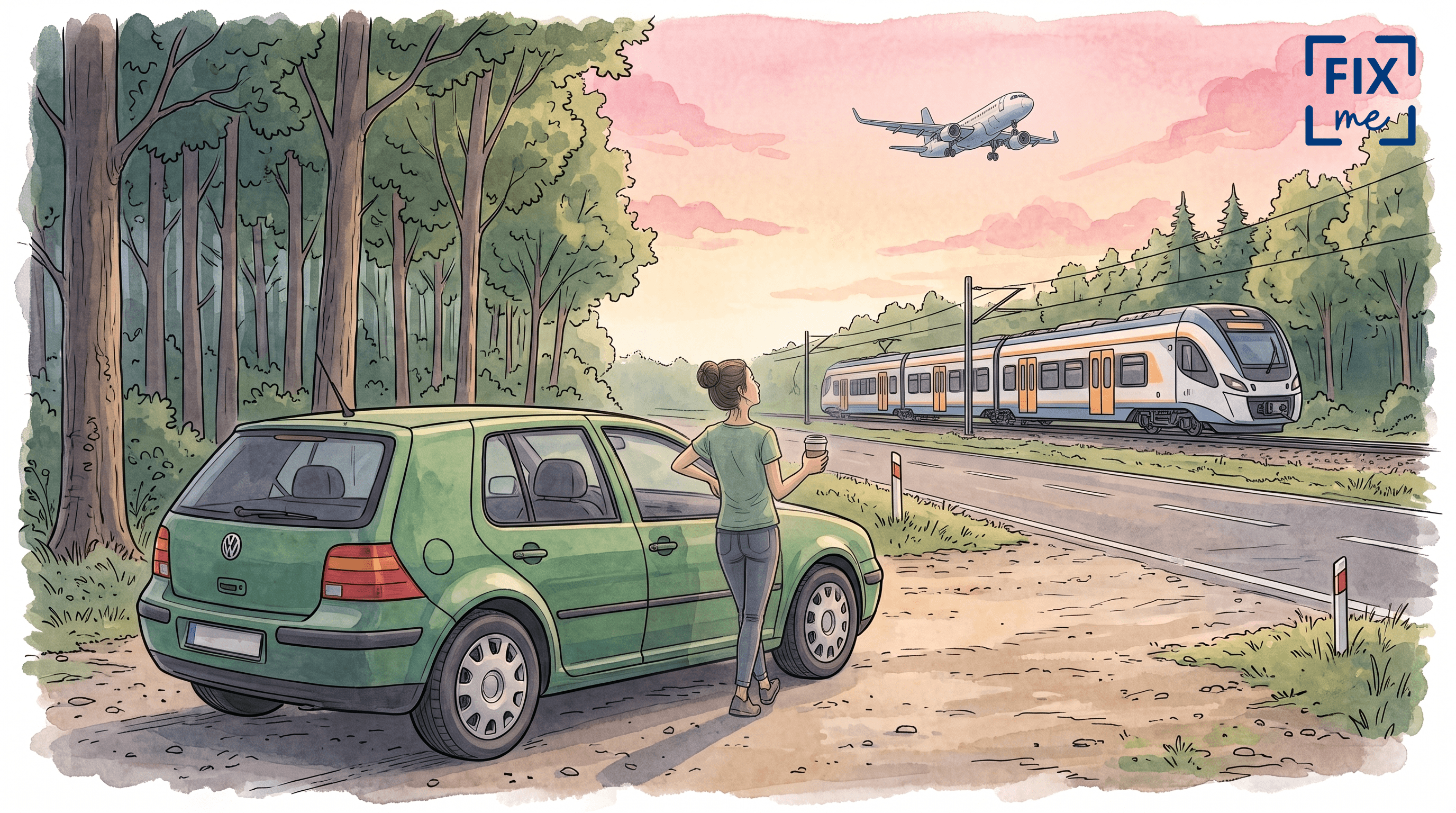
If you are returning from vacation behind the wheel or after a long flight, get moving after the journey before you sit down at your desk at all. I describe a few simple movements in the article "Long car trip or flight?" .

Returning to Work After a Summer Vacation Has a Catch
A June or July return adds another factor: the heat. You come back rested, but the office slows down in the afternoon anyway, and you feel as if your vacation evaporated in a single hot day. It's not just in your head.
The formula is simple. A well-rested body after vacation plus a smartly structured day plus a few active breaks is the recipe for keeping that vacation form longer than just until Wednesday.

FAQ
- How long does it take to get back in shape after a vacation?
The biological clock adjusts gradually, and after crossing several time zones, it needs a few days to adapt to the new rhythm. The stiffness from returning to sitting passes faster if you incorporate short movement breaks from day one instead of going back to a full eight hours in a chair.
- Why is the first day after vacation so exhausting?
Two things contribute to this. The body has gotten out of the habit of prolonged sitting, and your biological clock is still on vacation time. Hence the fatigue and harder concentration, even after a good night's sleep.
- How do I avoid losing my form after vacation if I'm returning to a desk job?
It's not about one single major workout, but about movement spread throughout the day. Short breaks of up to ten minutes boost vigor and reduce fatigue, and a light walk helps more than just standing up. Start on your first day while your body still remembers the vacation movement.
Want active breaks to return from vacation with you and happen automatically? In the FIXme app, a virtual physical therapist reminds you of a break and guides you through it step by step, right at your desk. See how it works - sign up
Learn more
Discover more from the latest posts.