Published: Aug 5, 2026
Micro-breaks while traveling: how to use the airport, rest stop, and platform to arrive in good shape
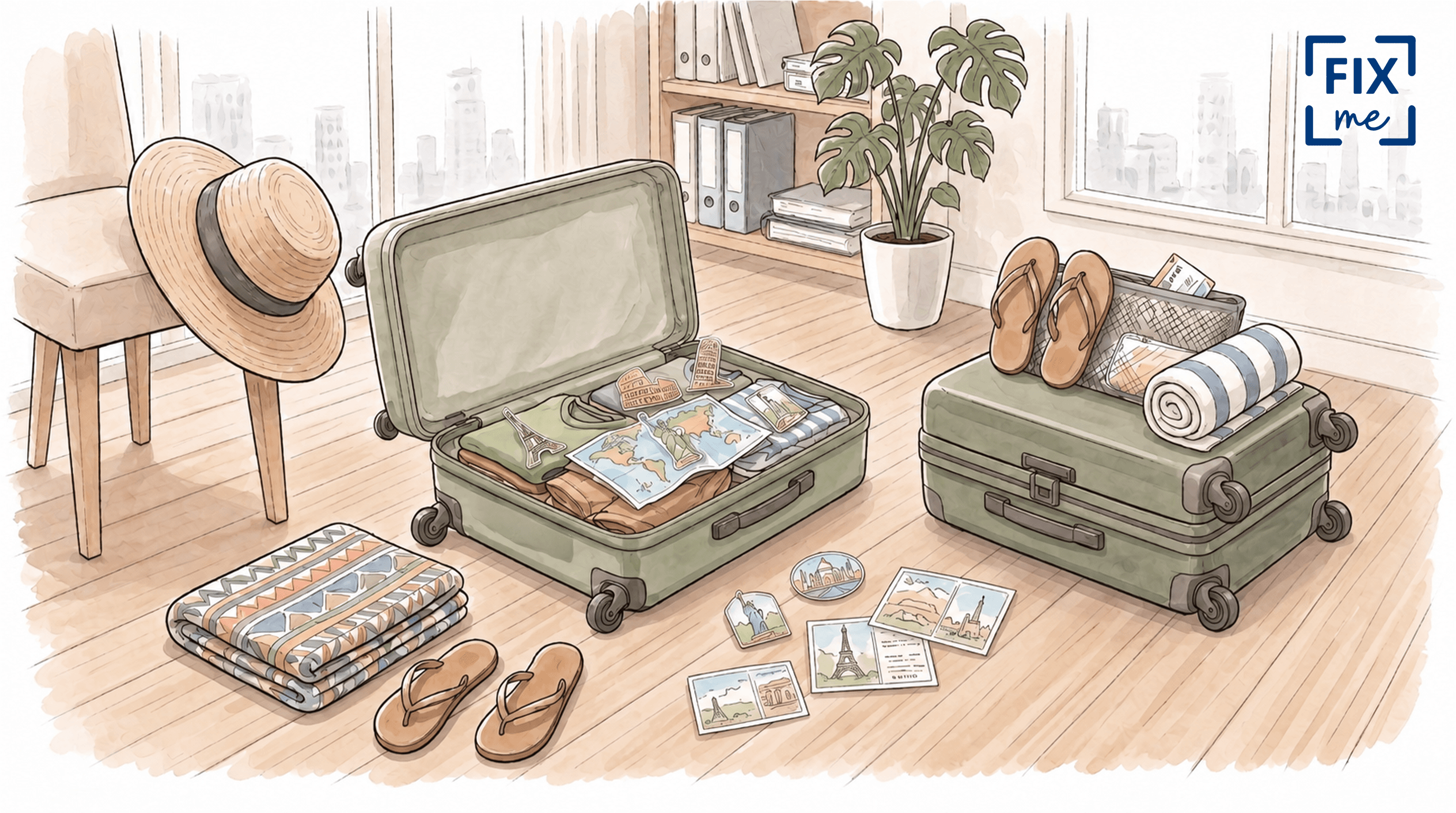
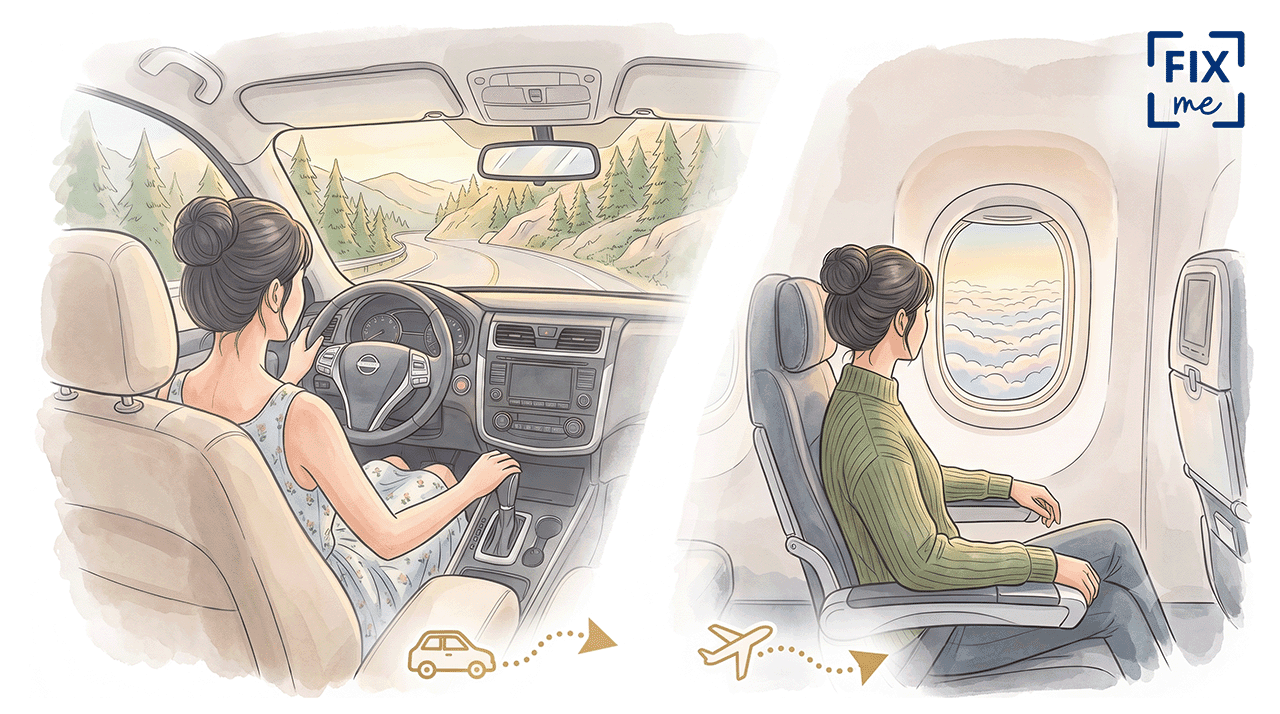
Think about your last long journey. How much of it was pure sitting, and how much was waiting, layovers, and stops? Usually, it's about half and half. And those empty minutes are worth their weight in gold, because they are ready-made travel micro-breaks that you don't have to squeeze in anywhere. I'm not talking about exercises in your seat; I cover those elsewhere. I'm talking about stopping wasting time at the gate, at the station, and on the platform, and turning it into movement that will help you arrive in better shape.

Małgorzata Świderska · 5 min read
Travel micro-breaks start where you are waiting anyway
Inactivity on the road rarely comes from not being able to move. It comes from it not occurring to you to stand up right then. In plain terms: a journey isn't one long stretch of stillness, but a chain of sitting interspersed with pauses. Every one of those pauses is an opportunity that you usually spend sitting on a chair, staring at your phone.
I break down the mechanics of circulation and a full set of seated travel exercises in the article - 5 exercises to get your body moving. Here we are dealing with something else. Not what to do in your seat, but how not to sit through every break that your journey already hands you.
The airport: one big excuse to walk
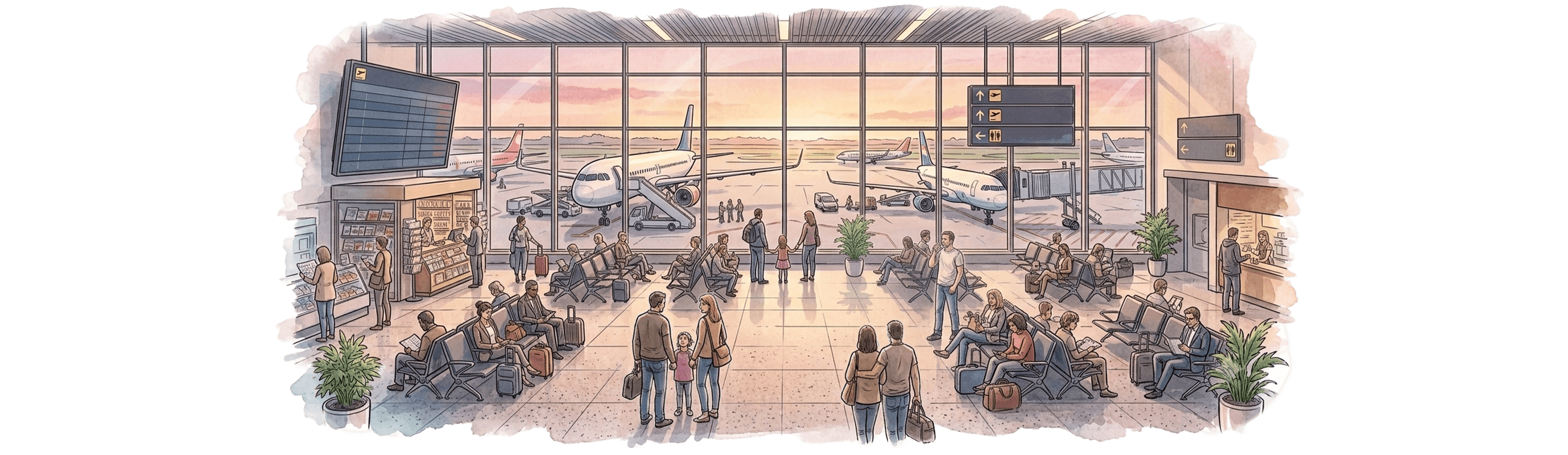
An airport is an environment made for walking, but we stubbornly refuse to take advantage of it. Time until gate opening, the security line, layovers, long terminals. These are all minutes you can spend on your feet instead of on a plastic chair under the departure screen.
A few simple habits make a difference. Instead of sitting through your entire layover, walk around the terminal with your carry-on. Take the stairs instead of the escalators. While waiting for boarding, stand near the gate and stretch your legs instead of sinking into a seat for forty minutes. I have a personal test: if I get at least a few hundred steps around the terminal before boarding the plane, I tolerate the flight noticeably better.
By car: the stop you are going to make anyway
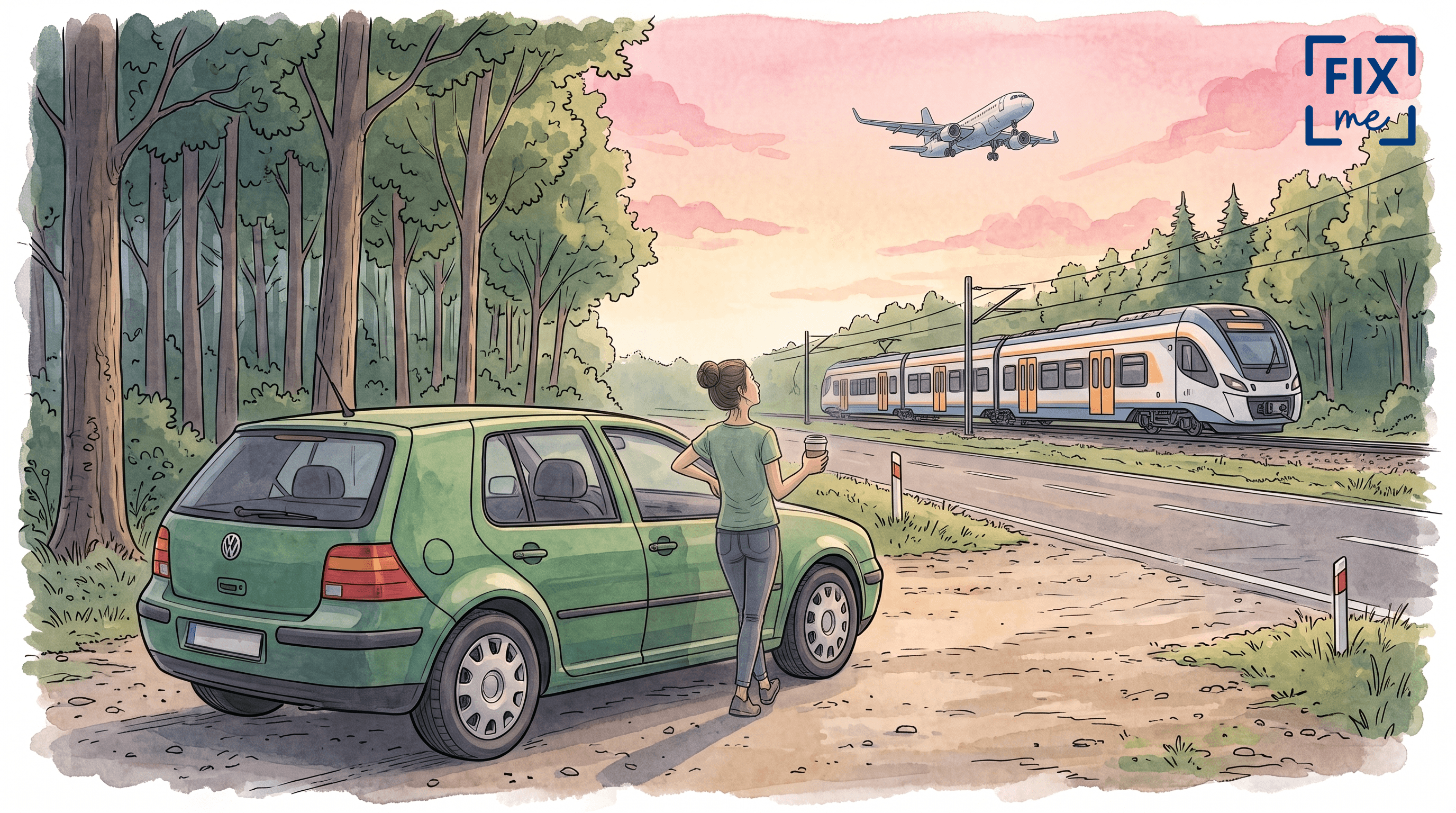
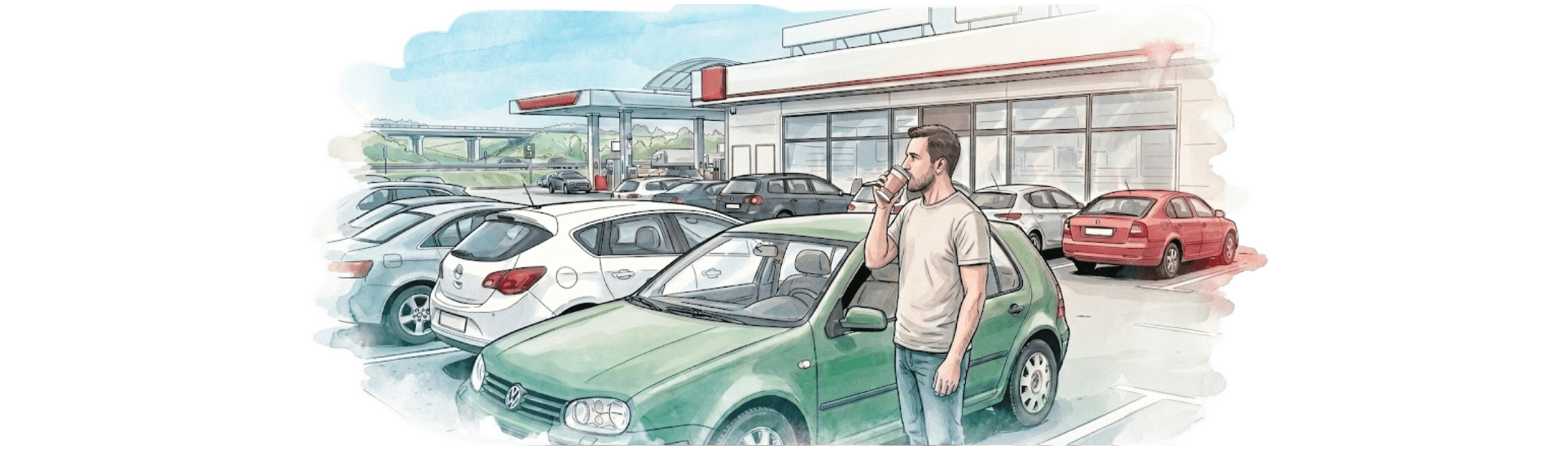
In a car, it's simplest because stops are built into the trip. Refueling, coffee for the driver, a short rest area break. The trick is not to make the stop just about walking to the gas pump and right back behind the wheel.
Plan a break every one to two hours, get out properly, and walk several dozen steps around the car. Relax your shoulders, reach up with your arms, and do a few calm bends. It's easiest to attach this to something you are doing anyway. One break, several things at once: fuel, coffee, stretching your legs. Only one thing is sacred. Never, ever attempt to move around while driving. Behind the wheel, your only job is driving safely, and exercises can wait for a stop.
By train: the aisle is yours
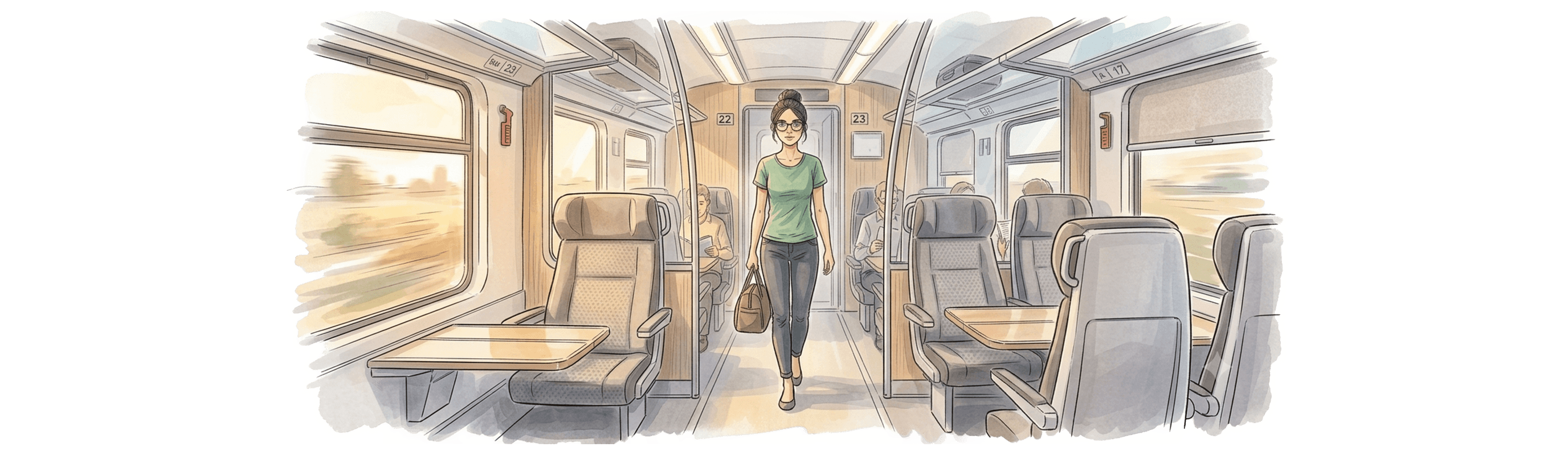
A train gives you something neither a car nor an airplane seat offers: you can get up and walk pretty much whenever you want. And yet we still spend most of the trip sitting in our seats with a laptop on our laps.
Use what you have at hand. Walk down the aisle through a few carriages. Use the dining car as an excuse for a walk, even if you are only coming back with a bottle of water. During a longer stop, you can step out onto the platform and stretch your legs, but be smart about it: keep an eye on the time and board early enough so the train doesn't leave without you. If you have a transfer, don't look for the nearest bench. Count those few minutes of walking between platforms as a micro-break, not wasted time.
Why these few minutes really count
You might think that walking around the terminal or walking around the car isn't enough to make a difference. Research says otherwise, and in two ways at once.
First, movement that interrupts prolonged sitting works better than just standing up. A 2022 meta-analysis in the journal *Sports Medicine* showed that interrupting long sitting with a light walk improves blood sugar regulation more effectively than just standing in place. That is exactly the difference between "I got out of the car and am standing by the trunk" and "I walked around a bit." It's the movement that counts, not just changing position.
Second, a short break also refreshes your mind. A 2022 research review in *PLOS ONE* calculated that micro-breaks—breaks from a task lasting up to ten minutes—significantly increase vigor and decrease fatigue (vigor d=0.36, fatigue d=0.35, p<0.001). On the road, this translates directly: you arrive feeling less tired and with a larger energy reserve for the rest of the day.
Health organizations say the same thing in simple language. The US CDC recommends that travelers move their legs often and walk around every one to two hours. This is the lower threshold of common sense, not a guide for elite athletes.
Attach a micro-break to your routine on the road, and it will happen naturally
The hardest part is remembering to move when your mind is occupied with traveling. So don't rely on willpower—attach breaks to events that will happen on your trip anyway.
Airport: the gate and layover are a signal to "get up and walk," not "sit and wait."
Car: refueling and coffee are a sign to get out for a few steps before driving on.
Train: a longer stop and transfer are an invitation onto the platform or for a walk down the aisle.

FAQ
- How to stretch your legs at the airport?
Don't wait for boarding in a seat. Walk around the terminal with your carry-on bag, take the stairs instead of the escalators, and stand at the gate to relax your legs. The longer the layover, the more time you have for this.
- What to do during a rest stop on a car trip?
Get out properly, walk a few dozen steps around the car, relax your shoulders, and do a few gentle bends. Pair this with refueling or getting coffee so the break feels natural. Plan a stop every one to two hours.
- Is it worth walking on a train if I have a seat?
Yes. Walk down the aisle, use the dining car as an excuse for a walk, and during longer stops, step out onto the platform while keeping an eye on the departure time. Walking between platforms during a transfer counts too.
- How much movement is enough while traveling?
It's not about high performance. The CDC recommends moving your legs often and walking every one to two hours. A few minutes during each natural break does the trick.
Want movement throughout your day to happen naturally, not just in theory? In the FIXme app, a virtual physical therapist reminds you about an active break right on time and guides you through a few minutes of movement step by step. See how it works: FIXme - Try 14 days for free